
Performance Marketing
PPC (Pay Per Click) Services that are judged on return, not clicks
PPC, or pay-per-click, is advertising you pay for only when someone acts on it. The Adroit plans and runs PPC across search, social, native, video, connected TV and marketplaces — on a strategy built around what you sell, who buys it and where those buyers are.
This page is the full explainer: the vocabulary, every platform and ad type, how a strategy is built, how geography is decided, how ROI and ROAS are measured, and what you get each month. Our head office is in Navi Mumbai with teams in Mumbai, Bangalore, Delhi; your campaigns go wherever your customers are.

 Google AdsSearch, Shopping, YouTube
 LinkedInB2B and lead forms
 AmazonMarketplace ads
In short: The Adroit runs Google Ads and paid search campaigns for businesses across India, with a cost-per-lead or return-on-ad-spend target agreed before launch. We begin with an audit of your account, tracking and landing pages, then review spend, search terms and conversions month on month in a shared Data Studio report. The Adroit works from a head office in Navi Mumbai and teams in Mumbai, Bangalore, Delhi & Kolkata, with 7+ years, 120+ brands served and 250+ projects delivered.
Awards and Recognition




GOOGLE ADS | MICROSOFT ADVERTISING | META | LINKEDIN | NATIVE | CONNECTED TV | MARKETPLACES
PPC Campaign Management
One plan across search, social, native, video and marketplaces, built around what you sell and where your buyers are, with a report to you in the first week of every month.
Talk to a PPC strategistThe vocabulary
PPC, performance marketing, paid media — what the terms actually mean
Agencies use these words loosely, and clients are often sold one thing under the name of another. Each card is a plain definition, so you know exactly what you are buying and how it will be measured.
PPC / pay-per-click
Auction-bought advertising where you pay when someone clicks or acts, not when the ad is shown. Now covers search, social, native, video and marketplace ads.
Paid media
Any advertising space you pay for — search, social, display, video, TV, publishers — as opposed to owned media (your site) and earned media (press, reviews).
Performance marketing
Paid media managed and reported against a measurable outcome — a lead, a sale, an install — with a target cost or return, rather than reach.
SEM / paid search
Ads shown on search results for the query someone just typed, chiefly Google and Microsoft Bing. The highest-intent channel there is.
Paid social
Ads on Meta, LinkedIn, X and similar, bought on audience and creative rather than keyword. Reaches people who were not yet looking.
Programmatic
Automated, auction-driven buying of display, video and connected-TV inventory across thousands of publishers through a demand-side platform.
Native advertising
Sponsored placements inside publisher content feeds, styled to match the editorial around them. Bought through Taboola, Outbrain and similar networks.
Media buying
Negotiating and purchasing inventory that is not self-serve — connected TV, sports, publisher packages — on your behalf, then reporting it with the rest.
Retargeting / remarketing
Ads shown only to people who already visited, watched or added to cart. Usually among the cheapest conversions in an account.
ROAS
Return on ad spend: revenue attributed to the ads divided by what the ads cost. A ROAS of 4 means ₹4 of revenue per ₹1 spent.
ROI
Return on investment: the profit left after cost of goods and the cost of running the campaign, divided by that cost. The number the business actually keeps.
CPA / CPL
Cost per acquisition and cost per lead: what each sale or each enquiry cost in ad spend. The targets most accounts are run to.
CTR
Click-through rate: clicks divided by impressions. A health signal for ad relevance, not a business result on its own.
Quality Score
Google’s 1–10 rating of how well a keyword, ad and landing page fit each other and the searcher. Higher scores earn better positions at lower cost.
Conversion tracking
The tags, pixels and server-side events (GA4, Google Tag Manager, Meta CAPI) that tell a platform which clicks became leads or sales.
Attribution
The rules deciding which ad gets credit when several touched the same buyer. Decides where the next rupee of budget should go.
PPC is the buying model, performance marketing is the discipline of pointing it at a business outcome, and ROAS and ROI are how the outcome is judged. Everything else on this page is detail under those three ideas.
Where we buy
Every platform a PPC budget can go to, and the job each one does
The question is never “which platform is best”. It is which combination reaches your buyer at the right moment at a cost the margin can carry. These are the platforms we plan, buy and report on.
Search · Shopping · VideoGoogle Ads
Search, Display, Shopping and Performance Max, YouTube, Demand Gen and App campaigns. The default channel for capturing people who are already looking.
Microsoft Advertising
Bing, Yahoo and partner inventory. Lower volume than Google, lower competition, an older desktop business-hours audience. Strong for B2B and high-value services.
Meta Ads
Facebook, Instagram, WhatsApp and Messenger through Ads Manager. Audience-led. The strongest platform for D2C, local services, events and anything bought on discovery.
B2BLinkedIn Ads
Targeting by title, seniority, company, industry and size. Costly per click and well suited to B2B lead generation and enterprise sales, where one decision-maker is worth a thousand clicks.
MarketplaceAmazon Ads
Sponsored Products, Sponsored Brands and Amazon DSP. The shopper is already building a cart, so return is read directly in units sold and ACoS.
Flipkart & other marketplace ads
Product Listing Ads and brand placements inside Flipkart and category marketplaces, planned with the listing work our marketplace management team does.
Taboola & Outbrain
Content-feed placements across news publishers and portals. Low cost per click at national scale, for content-led selling and for feeding retargeting pools cheaply.
JioHotstar
Streaming and live sports inventory, including cricket, bought with digital targeting by geography, language and device. We hold a media-buying relationship and buy on your behalf.
Star Network
Entertainment and sports channels across the Star Network, bought as packages and reported alongside the digital lines so the whole plan is read on one page.
CTV and OTT apps
Video spots on smart TVs and streaming apps beyond JioHotstar, with household-level reach and frequency control that a traditional TV buy never offered.
DV360 & display networks
Automated buying of display and video across thousands of publishers with audience, contextual and geographic targeting, for scale once search and social are saturated.
Quora, Reddit, X, app-install networks
Quora for research-stage B2B and education, Reddit and X for niche and real-time communities, and app networks for install campaigns measured through an MMP.
Media buying is part of our performance practice: self-serve platforms we run inside your accounts, and non-self-serve inventory such as JioHotstar, the Star Network and publisher packages we buy on your behalf and report in the same monthly document.
What we run
The types of PPC ads, and when each one earns its place
Platform decides where the ad shows. Format decides what the user sees and what they can do with it. Most accounts end up running four or five of these in combination; almost none should run all of them.
Search ads
Text ads triggered by a typed query. Highest intent, most measurable, most competitive.
Lead generation backboneShopping & product ads
Image, price and seller shown in search results, fed by a product feed we build and maintain.
E-commerceDisplay & banner
Image ads across websites and apps, for retargeting, awareness and frequency.
Support, rarely primaryVideo: skippable, bumper, in-feed
YouTube and OTT formats paid on view or action. For products that need to be shown, not described.
ConsiderationNative ads
In-feed sponsored content on publisher sites. Looks like editorial, priced like display.
Top of funnel at scaleLead-gen forms
Forms that open inside Meta, LinkedIn or Google. Low friction, high volume, needs qualifying questions.
Services, B2B, educationCall ads & location ads
The only action is a call or directions. For clinics, showrooms and services where the lead is a visit.
Local servicesApp-install ads
Google App campaigns and Meta app ads, optimised to installs or in-app events. Needs an MMP or Firebase.
AppsRemarketing & dynamic remarketing
Ads to past visitors, dynamically showing the exact products they viewed.
Switched on earlyCarousel, collection, Story, Reel
Meta and Instagram formats where creative is the targeting: the ad has to stop a thumb before it can sell.
D2C, discoverySponsored content & InMail
LinkedIn feed posts and message ads to named roles at named companies.
B2BSponsored Products & Brands
Marketplace search placements on Amazon and Flipkart, measured in units and ACoS.
MarketplacesCTV spots
Video served on streaming apps and smart TVs with city, language and household targeting.
Reach with targetingClick-to-WhatsApp / Messenger
Ads that open a conversation. Increasingly effective for local services and considered purchases in India.
ConversationalPerformance Max & Demand Gen
Google’s automated campaigns across its surfaces from one asset set. Powerful with clean conversion data; wasteful without it.
AutomationLocal & Maps placements
Ads on Google Maps and local search surfaces, with radius bids weighted by distance.
HyperlocalThe core promise
The campaigns are the easy part. The strategy is what you are paying for.
Anyone can open Google Ads and launch a campaign in an afternoon. What separates an account that returns money from one that burns it is the thinking done before the first rupee is spent, and the discipline of re-planning every month as the data comes in. This is the framework every account follows.
Audience & intent research
What you sell and its margin, who buys, how they search, what competitors bid on.
Geography ladder
Which rungs apply: a radius, a city, several cities, a state, pan-India, abroad, or a mix.
Budget split
By geography and by funnel stage, with a reason written next to every line.
Bidding strategy
Manual, target CPA, target ROAS or maximise conversions, chosen per campaign and its data volume.
Creative & landing pages
Ad copy, images, video and pages that match the query and the offer, with a testing calendar.
Conversion tracking
GA4, Google Tag Manager, Meta pixel and CAPI, server-side where it helps, call and WhatsApp tracking.
Monthly re-plan
Report in the first week of the month, then a review of next month’s priorities and budget moves.
Scale what works
More budget to the lines beating target, less to the ones below it, new tests queued.
What goes in, what comes out
- In: products and margins, deal value and repeat rate, buyer profile, buyer locations, competitor presence, seasonality and stock, existing creative and pages.
- Out: a platform mix with a budget per line, a campaign structure split by geography, a target CPL, CPA or ROAS per product line, a tracking plan, a creative and landing-page plan, and a 90-day roadmap.
- Every month: the plan is re-read against the numbers. Costs per click move with season and competition; your stock and priorities move too. The strategy follows the return, not last quarter’s assumptions.
Targeting geography
Your agency is near you. Your ads go wherever your customers are.
These are two different decisions. Where your agency sits is about who you want to meet across a table. Where your ads are shown is about where your buyers actually are — and for most businesses that is some mix of the rungs below, each needing its own campaign, budget and bid.
You run a business in Mumbai, Navi Mumbai, Bangalore, New Delhi or any other Indian city and want an agency with a team nearby. That is what our city pages are for.
Your buyers may be within 3 km, across the city, in another state, across India or overseas. That is a strategy decision made per client, not a function of where either of us is located.
Hyperlocal: a 2–10 km radius
Clinics, restaurants, salons, coaching centres, showrooms. Radius bids weighted by distance, Maps and call placements, click-to-WhatsApp.
City or metro
Real estate, home services, education, healthcare networks. City targeting with suburb-level bid adjustments where behaviour differs.
Multi-city
Chains, franchises, developers with projects in several cities. Each city is its own campaign and budget, so a strong market cannot hide a weak one.
State or region
Regional brands and distributors. Targeting follows audience as well as borders: tailored creative, tier-2 and tier-3 cities budgeted separately.
Multi-state
Businesses whose distribution covers several states. One account, a campaign set per state, reporting rolled up by state and in total.
Pan-India
D2C, SaaS, marketplaces, B2B manufacturers. India is tiered into bands and each is bid on its own economics rather than one blended national target.
International
Exporters, SaaS selling abroad, education consultants, tourism. Campaigns per country with local currency, local pages and a platform mix that fits the market.
Most accounts run two or three rungs at once — a hyperlocal campaign for the showroom alongside a pan-India one for the online store. The structure keeps them separate so each is judged and funded on its own numbers.
The yardstick
ROI and ROAS: what each one tells you, and why targets are set per business
Every client wants “the best ROI”. The useful question is what return the business can sustain, because that decides how aggressively to bid. We work out the break-even point with you before launch, set the target per product line above it, and manage the account to that target. Targets are set, not promised.
- ROAS (return on ad spend) = revenue attributed to ads ÷ ad spend. It is quick to read and the platforms report it, but it ignores what the product cost you.
- ROI (return on investment) = (gross profit from the ads − ad spend) ÷ ad spend. It is what the business keeps, and the number a finance team recognises.
- Why margin decides the target: a product with 60% gross margin can be profitable at a ROAS of about 2. One with 15% margin needs roughly 7 just to break even. The same ROAS can be a success for one business and a loss for another.
- Keeping the number honest: duplicate and spam leads excluded, calls and WhatsApp conversations attributed, closed-won revenue imported from your CRM, brand search reported separately from non-brand.
| Ad spend in the month | ₹1,00,000 |
| Revenue attributed to the ads | ₹4,00,000 |
| ROAS (revenue ÷ spend) | 4.0 |
| Gross margin on those sales (say 40%) | ₹1,60,000 |
| Less the ad spend | − ₹1,00,000 |
| ROI (profit ÷ spend) | 60% |
What you receive
One report a month, in the first week, followed by a plan for the next
We report monthly, not weekly or daily. The report arrives in the first week of each month and is followed by a review call that sets the priorities for the month ahead. This is what the document contains.
- Summary against target: spend, leads or sales, CPL or CPA, ROAS or ROI per product line, versus the agreed figure.
- By platform and by geography: which lines are above or below target, so a strong market cannot hide a weak one.
- Lead quality: qualification rate and closed-won revenue where your sales team or CRM feeds it back.
- Tests run and what they showed: creative, landing page, audience and bid experiments, with the decision taken on each.
- Budget pacing and market notes: what moved in cost per click, competition and season.
- Next month’s plan: what scales, what is cut, what launches, agreed on the review call.
Account ownership
For accounts with a monthly ad budget of ₹50,000 or more per account, the ad account is created in, or transferred to, your name and we work inside it, so your history, audiences and data stay yours. The analytics property and conversion setup follow the same condition. Below that threshold the campaigns run in an account we manage, with full visibility in the monthly report.
A common question
PPC, SEO, or both?
They answer different questions. PPC buys visibility now and switches off when the spend does. SEO earns visibility slowly and keeps it. Most businesses serious about search end up running both, and planning them together.
| PPC | SEO | Both, planned together | |
|---|---|---|---|
| Time to results | Days. Traffic starts when the campaign is approved. | Months. Rankings build over three to twelve months. | PPC covers the terms SEO has not yet won; spend moves elsewhere as rankings arrive. |
| Cost model | Pay per click or impression; controllable to the rupee. | Pay for the work; clicks are free once earned. | Blended acquisition cost falls over time as organic share grows. |
| Control | Full: geography, hours, device, message, budget. | Indirect: you influence rankings, you do not set them. | PPC tests messages and offers in a week; SEO content is built on what converted. |
| Durability | Stops when spend stops. | Persists, with maintenance. | Launches and seasons on PPC; the evergreen base on SEO. |
| Measurement | Precise, immediate, down to the keyword. | Reliable in aggregate, harder per query. | PPC search-term data tells the SEO plan which pages to build next. |
We run SEO services as well as PPC, and GEO and AI-search optimisation for the answers AI assistants give. When more than one is in play they are planned by the same team, against the same targets.
An honest check
When PPC is not the right first move
Paid traffic amplifies what is already there. If one of these applies, we will say so in the first call and suggest what to fix first, because spending on ads before then costs you money and costs us a client.
The landing page cannot convert
Slow, unclear, no offer, no form or number that works on a phone. Fix the page first; otherwise every click is paid for twice.
The margin cannot carry a click
If the break-even ROAS is higher than the category realistically delivers, the economics need work before the advertising does.
Nothing can be tracked yet
No analytics, no form or call tracking, no CRM feedback. Without it, the platforms optimise blind and so do we.
Nobody can handle the leads
Enquiries that wait a day go cold. If sales capacity or follow-up is the bottleneck, more leads make it worse, not better.
The budget is too small to learn from
A budget that buys a handful of clicks a day never produces enough data to optimise. Better to start one platform properly than five thinly.
Organic would do the job cheaper
Some demand is informational and evergreen. There, SEO is the first move and PPC comes later, for the terms that matter and will not rank.
Who should run it
In-house, freelancer or agency?

There is no single right answer; it depends on spend, the number of platforms and how fast the account has to change. The honest comparison looks like this.
- In-house: deepest product knowledge and fastest internal approvals. Hard to cover six platforms, creative, tracking and analytics in one or two hires, and a single leaver takes the know-how with them.
- Freelancer: low cost and flexible. Usually one platform deep, limited capacity for creative and tracking, and continuity depends on one person’s calendar.
- Agency: a team across platforms, creative, landing pages and analytics, with certifications kept current and a monthly report you can hold them to. Costs a fee, and needs a good brief from you to do its best work.
- A common middle path: your marketing lead owns the brief, the offer and the sales follow-up; we own strategy, buying, creative, tracking and the monthly plan.

7+ YEARS · 120+ BRANDS · 55+ SPECIALISTS · 100+ CERTIFICATIONS
Start with a strategy call, not a media plan
Tell us what you sell, what it earns and where your buyers are. We come back with the platform mix, the geography structure and the targets we would run to, before any budget is committed.
Book a strategy callAn agency near you, ads wherever your customers are
Looking for a PPC agency near you?
Our head office is in Navi Mumbai and we have teams in Mumbai, Bangalore, Delhi. Each city page below is for businesses in that city who want an agency they can meet; the campaigns themselves target wherever your buyers are, from a few kilometres around an outlet to pan-India or abroad.
Questions
FAQs
PPC, or pay-per-click, is online advertising where you pay only when someone clicks or acts on your ad rather than paying for it to be shown. It began with search ads on Google and now covers paid social, native, video, connected TV and marketplace advertising, all bought through an auction and managed to a cost per click or per result.
Paid media is any advertising space you pay for. PPC is the auction-driven buying model used for most of it, where you pay per click or per action. Performance marketing is the discipline built on top: choosing a measurable business outcome such as a lead or a sale, setting a target cost or return for it, and managing every part of the account against that target. An agency that says it does performance marketing should be able to tell you your cost per lead or return on ad spend by campaign, not only your click-through rate.
Google Ads (Search, Display, Shopping and Performance Max, YouTube, Demand Gen, App), Microsoft Advertising, Meta Ads (Facebook, Instagram, WhatsApp, Messenger), LinkedIn Ads, Amazon Ads and Flipkart marketplace ads, Taboola and Outbrain native advertising, programmatic display and video through DV360, connected TV and OTT, and JioHotstar and the Star Network, where we hold media-buying relationships and buy inventory on a client’s behalf. Quora, Reddit, X and app-install networks are used where the audience justifies them.
Search ads, Shopping and product listing ads, display and banner ads, video ads (skippable, bumper and in-feed), native ads, lead-gen form ads, call ads, app-install ads, remarketing and dynamic remarketing, carousel, collection, Story and Reel formats, sponsored content and InMail on LinkedIn, Sponsored Products and Brands on marketplaces, click-to-WhatsApp ads and connected TV spots. Most accounts run four or five of these together; the strategy decides which.
No. Where your agency is and where your ads are shown are two separate decisions. You might want an agency with a team nearby so you can meet in person, while your campaigns target a few kilometres around a showroom, a whole state, all of India, another country, or several of these at once. We structure the account so each geography has its own campaign, budget and target.
From what you sell and the margin on it, who buys it, where those buyers are, what your competitors are doing in each auction, and your seasonality and stock. That produces a platform mix with a budget per line, a campaign structure split by geography, a target cost per lead or return on ad spend per product line, and a measurement plan. The strategy is written down before launch and re-planned every month as costs and priorities change.
ROAS (return on ad spend) is revenue attributed to the ads divided by what the ads cost; a ROAS of 4 means four rupees of revenue per rupee spent. ROI (return on investment) goes further and subtracts the cost of goods and of running the campaign, so it shows the profit the business actually keeps. A product with a high margin can be profitable at a low ROAS, while a thin-margin product needs a much higher one to break even, which is why targets are set per business from its own margins.
It depends on your margin, not on an industry average. A product with 60% gross margin can be profitable at a ROAS of about 2; one with 15% margin needs roughly 7 to break even. We work out the break-even return for each product line with you first, set targets above it, and manage the account to those targets. Targets are set and reported against, never promised; anyone quoting a ROAS figure before they know your margins is guessing.
Yes, for anything meant to return money. Boosting a post is the quick route and gives you little control: a few generic goals, broad audiences and optimisation toward engagement. Ads Manager is the full system. You choose the business objective, build detailed audiences and exclusions including retargeting and lookalikes, control placements across Facebook, Instagram, Messenger and WhatsApp, pick the conversion event, run A/B tests, set bid and cost caps and daily or lifetime budgets, and use the pixel and Conversions API so Meta optimises toward purchases or leads. Boosting is fine for getting a post seen; Ads Manager is how you run advertising.
PPC buys visibility immediately and stops when spend stops; SEO earns visibility over months and keeps it. PPC gives precise, fast measurement and full control over geography, timing and message; SEO lowers blended acquisition cost over time. Most businesses serious about search run both, with PPC covering terms SEO has not yet won and moments that need speed, and PPC search-term data informing which pages SEO should build.
Traffic starts the day a campaign is approved, usually within hours. Meaningful performance data takes two to four weeks as the platforms gather conversion signals and we make the first structural changes. Accounts generally reach a stable, improving state in the second or third month, and the strategy is then reviewed and re-planned monthly.
Once a month, in the first week of the month, followed by a review of the next month’s priorities. The report covers spend and results against the agreed targets, performance by platform and by geography, lead quality where your sales team feeds it back, the tests run and what they showed, budget pacing and market notes, and the plan for the month ahead. We do not promise weekly or daily reporting or a live dashboard; the monthly cycle is where good decisions get made.
For accounts with a monthly ad budget of ₹50,000 or more per account, the ad account is created in, or transferred to, your name and we work inside it, so your history, audiences and conversion data stay yours. The analytics property and the conversion configuration follow the same condition. Below that threshold the campaigns run in an account we manage, with full visibility in the monthly report.
Our head office is in Navi Mumbai and we have teams in Mumbai, Bangalore, Delhi, each with its own page for businesses looking for an agency nearby. We also work with clients across India remotely. Wherever the client is, campaigns are targeted to wherever their customers are, from a few kilometres around an outlet to pan-India or overseas markets.
What's More
How Are We Different?
Customised PPC Strategy
Dedicated Account Manager
Maximum 12 Hours TAT
24x7 Looker Studio Report
Bi-weekly Reviews
End to End Service
Creatives & Landing Pages
Your Success, Our Reputation
A few of the 120+ brands we have worked with across 7+ years and 250+ projects. Our team of 55+ works from Mumbai, Navi Mumbai, Bangalore, Delhi, with our head office in Navi Mumbai.






































































Latest and Greatest Posts
The Adroit Reviews by Clutch
Contact Us for More
We've worked with clients of all sizes, all across the World. Starting from enterprises to startups. Let's talk about your project and how we can help provide value to it on Digital.
-
Google Ads Management
-
Paid Social Advertising
-
Landing Page Optimization
-
Conversion Tracking
-
Budget & Bid Management
-
Reporting & Optimization
Work That Works
Websites and campaign creatives from the projects we have delivered for our clients.











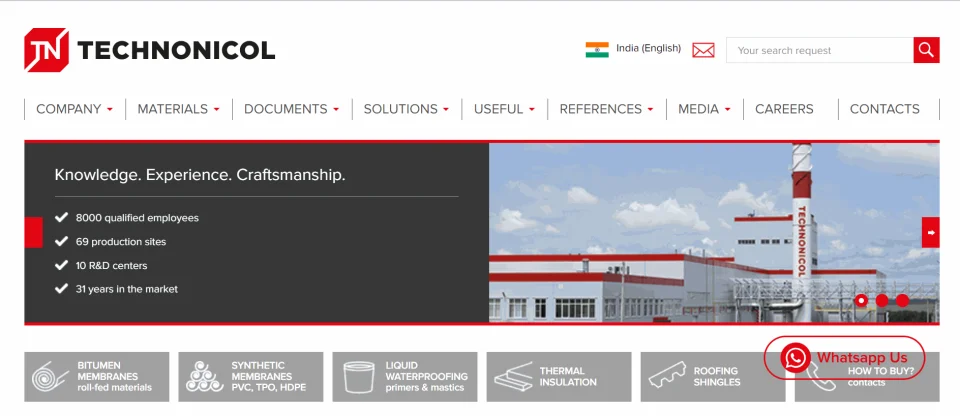
 Technonicol – Social Media Post 1
 Technonicol – Social Media Post 2
 Technonicol – Social Media Post 3
 Technonicol – Social Media Post 4
 Technonicol – Social Media Post 5
 Technonicol – Social Media Post 6
 L’Amar World – Social Media Post 1
 L’Amar World – Social Media Post 2
 L’Amar World – Social Media Post 3
 L’Amar World – Social Media Post 4
 L’Amar World – Social Media Post 5
 L’Amar World – Social Media Post 6
 Kshetry & Co. Corporate & Commercial Legal Strategy
 Litigation vs Arbitration for Business Disputes
 Good Legal Counsel Should Never Be Limited by Geography
 Featured Among the Asia Inc. 500 : 40 Under 40 Finalists, 2026 Edition
 Isolated Jurisdictions Used to Be a SpecialtyElite Engineering Teams: Deep Expertise & Business ImpactThe Cost of Wrong Hiring DecisionsHappy Engineers’ Day from Sebone Technologies
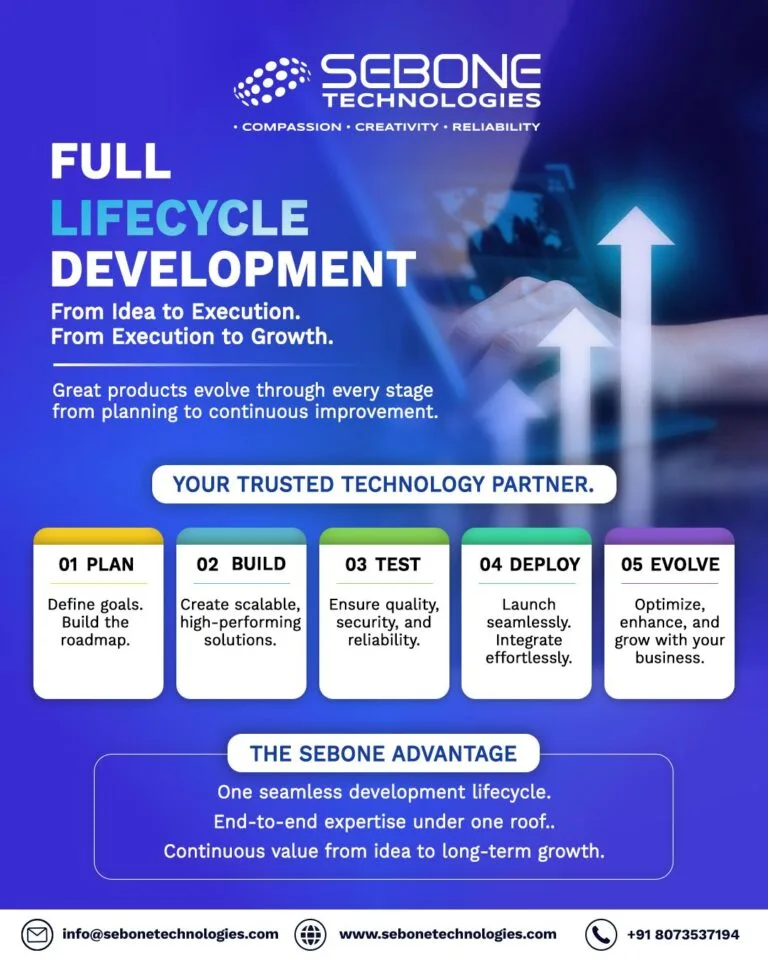 Full Lifecycle Development approach helps businesses
 Staffing Post
 Team Scaling Model
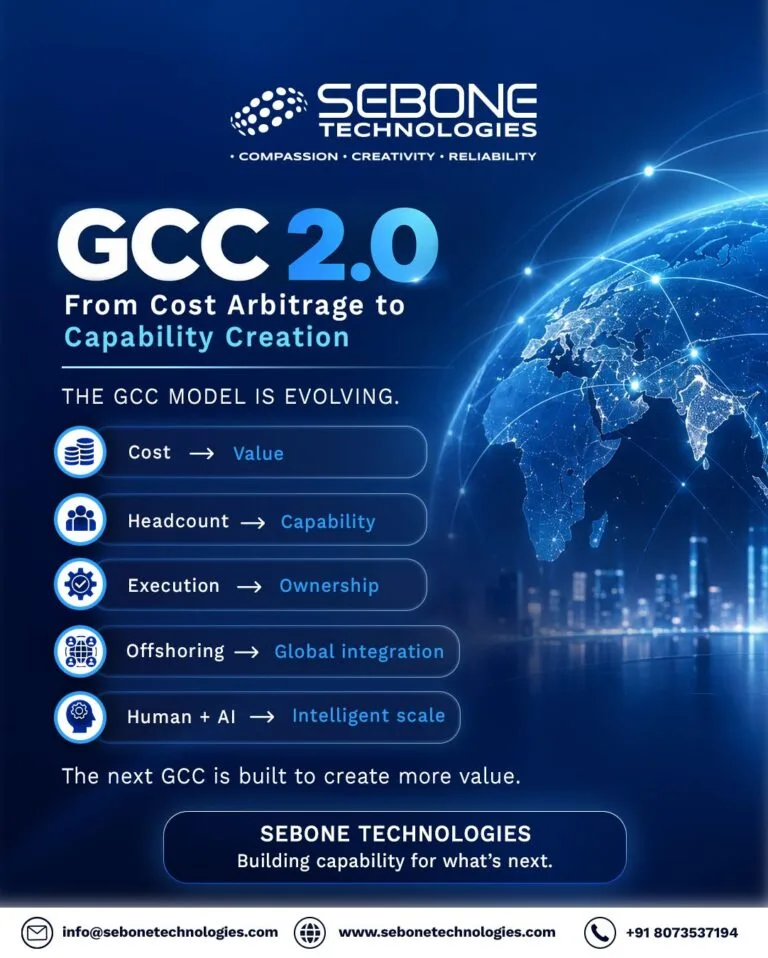 GCC 2.0
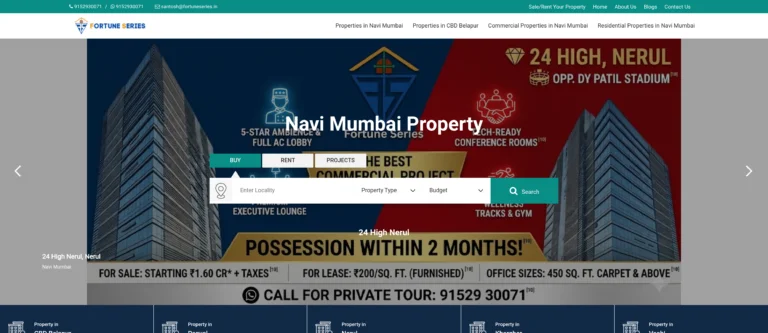 Fortune Series – Website
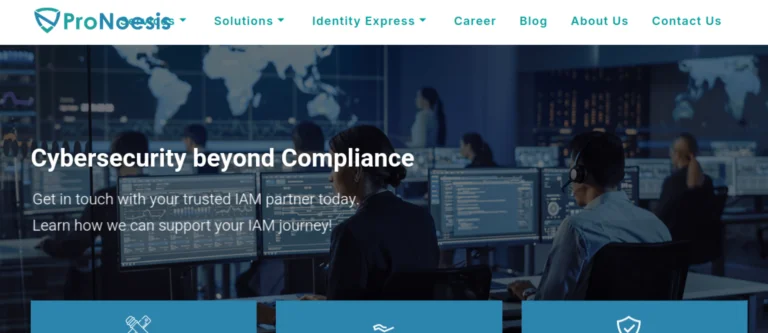 Pronoesis – Website
 Texas Spine and Pain – Website
 Mindvein – Website
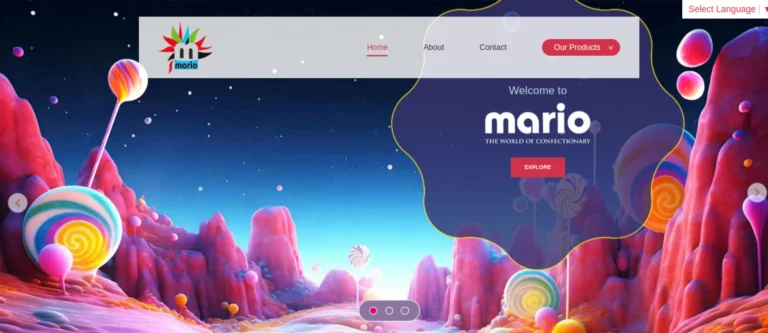 Mario Products – Website
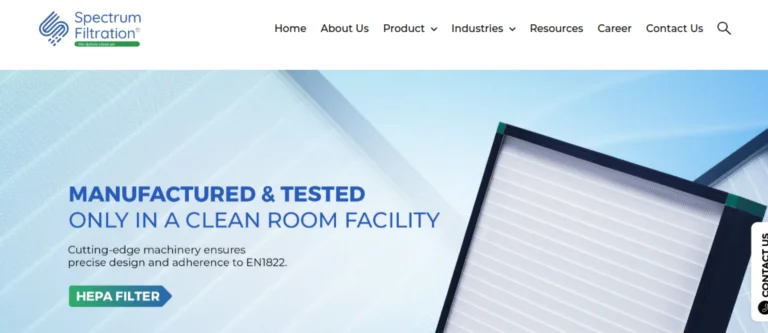 Spectrum Filtration – Website
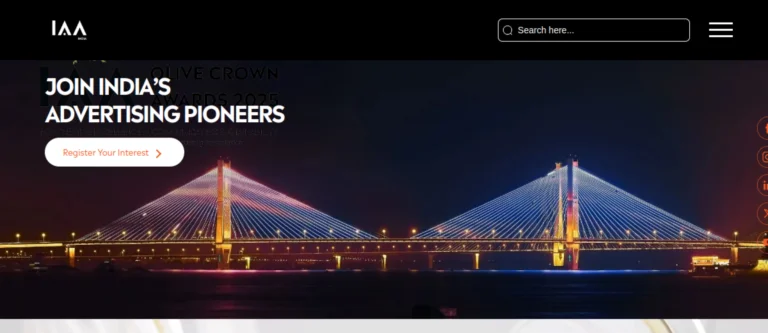 IAA India Chapter – Website
 The Premium Basket – Website
 Lamar World – Website
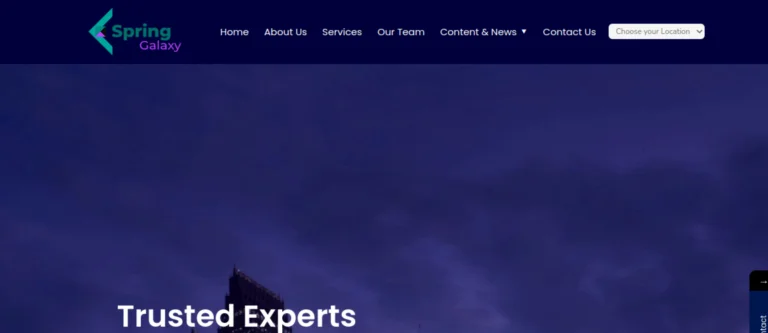 Spring Galaxy – Website
 Excel Wallpapers – Website
 Siddha Group – Website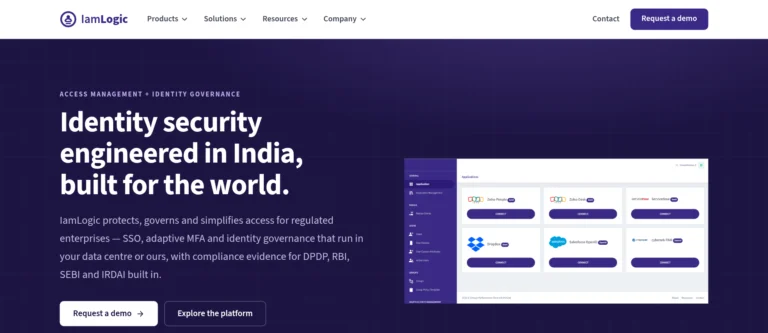
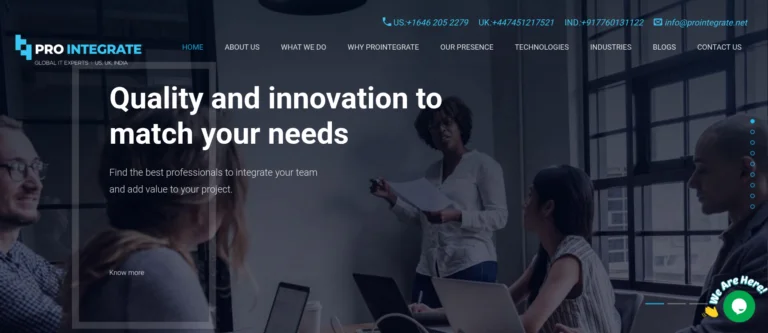
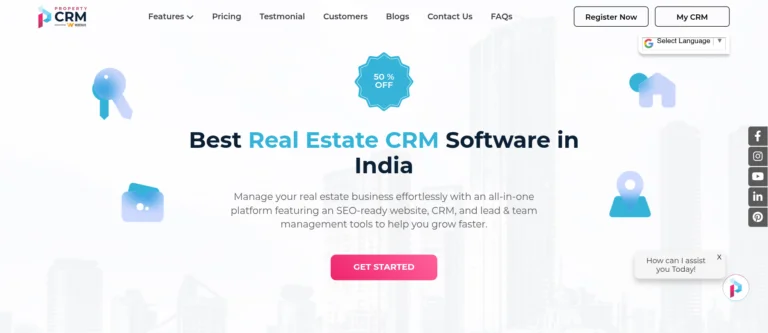

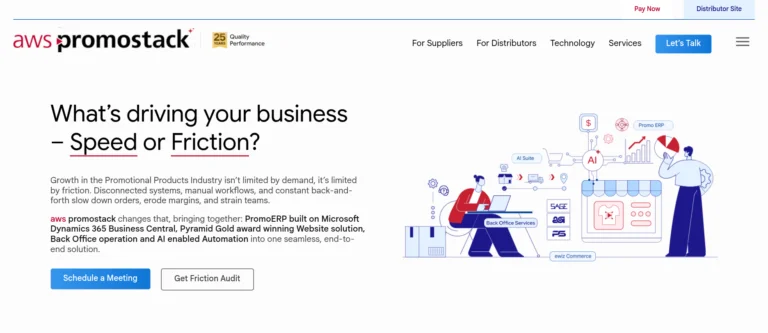
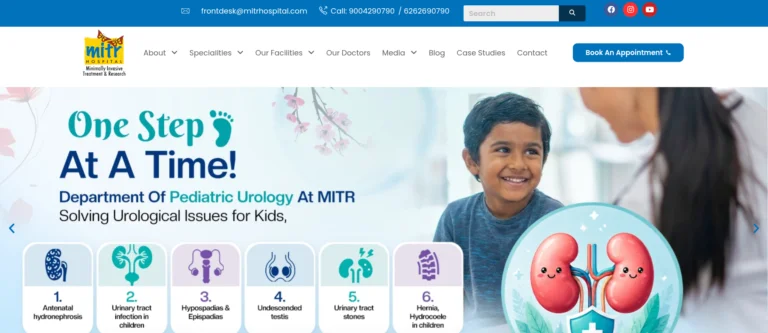

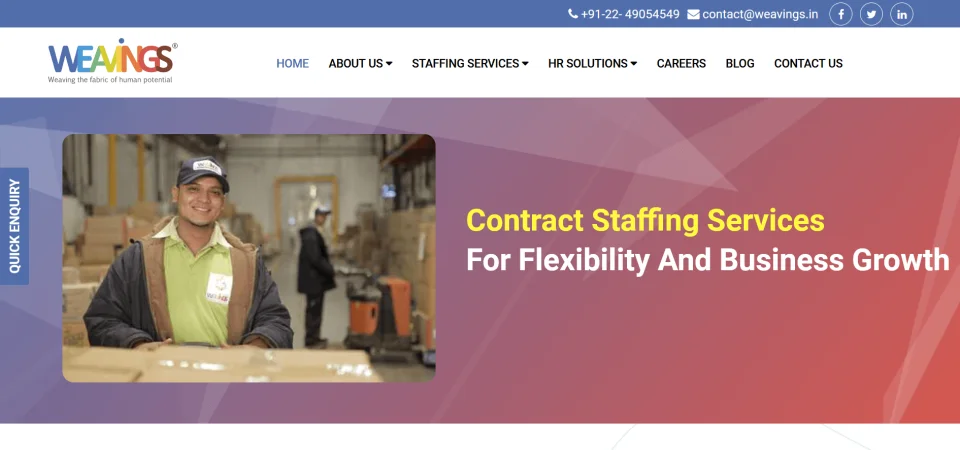


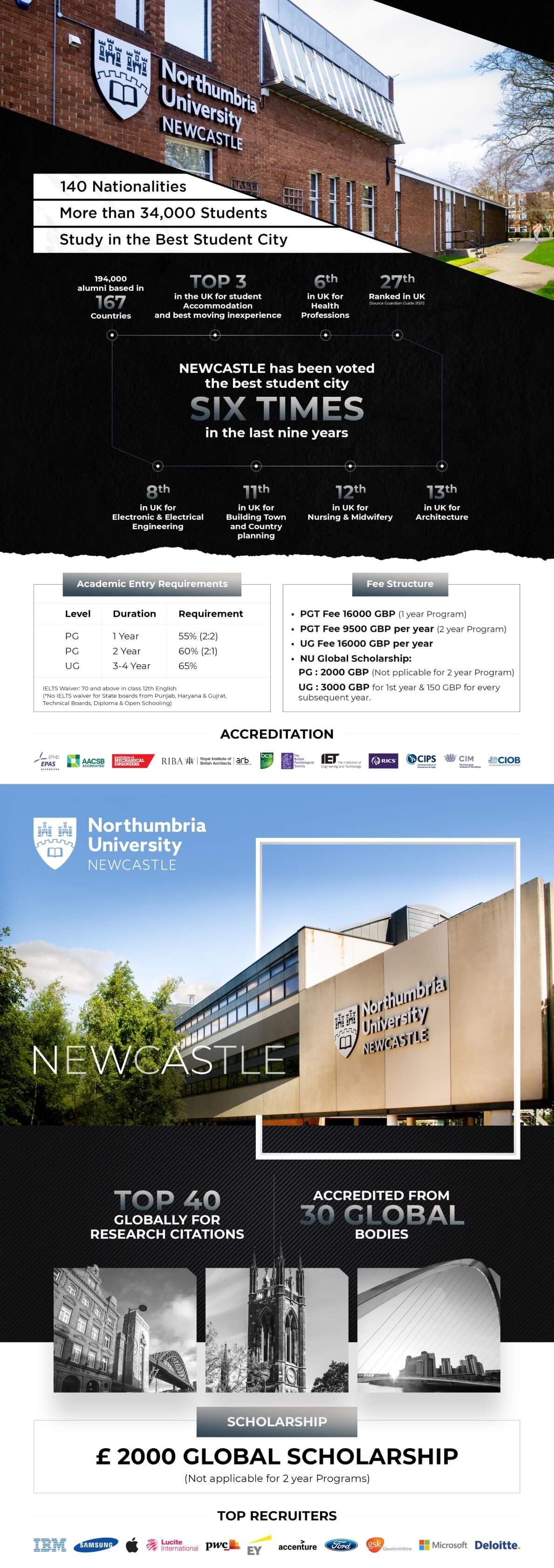 Northumbria University India – Emailer
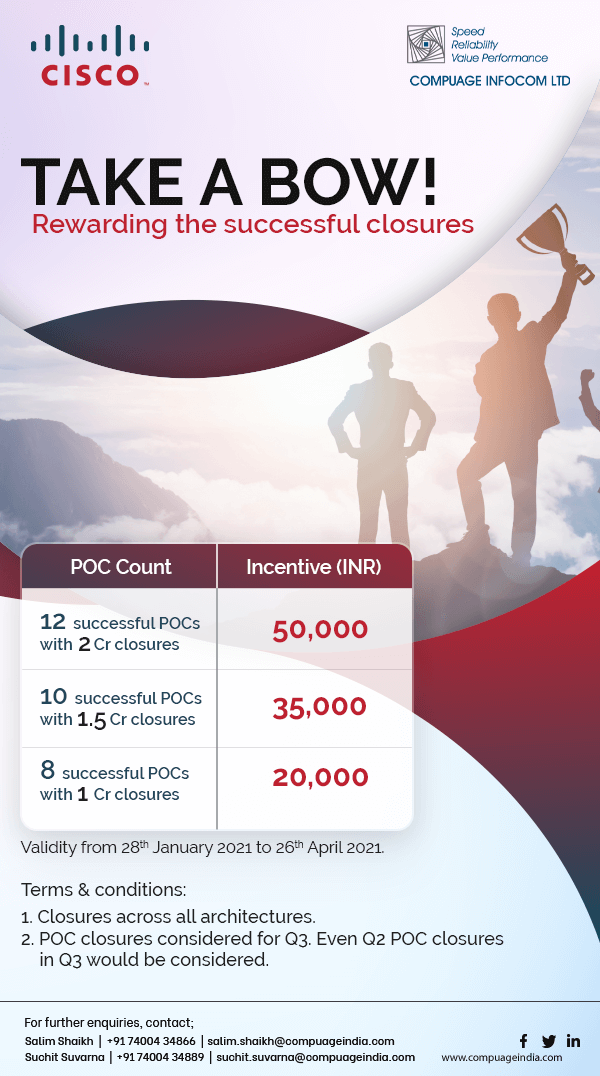 Compuage Infocom – Emailer
 Compuage Infocom – Emailer
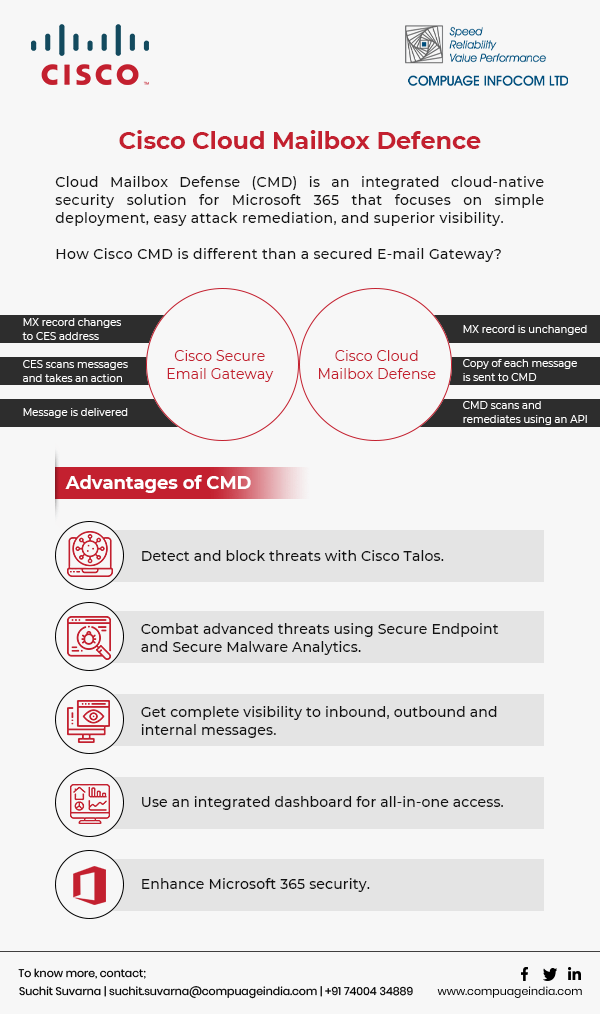 Compuage Infocom – Emailer
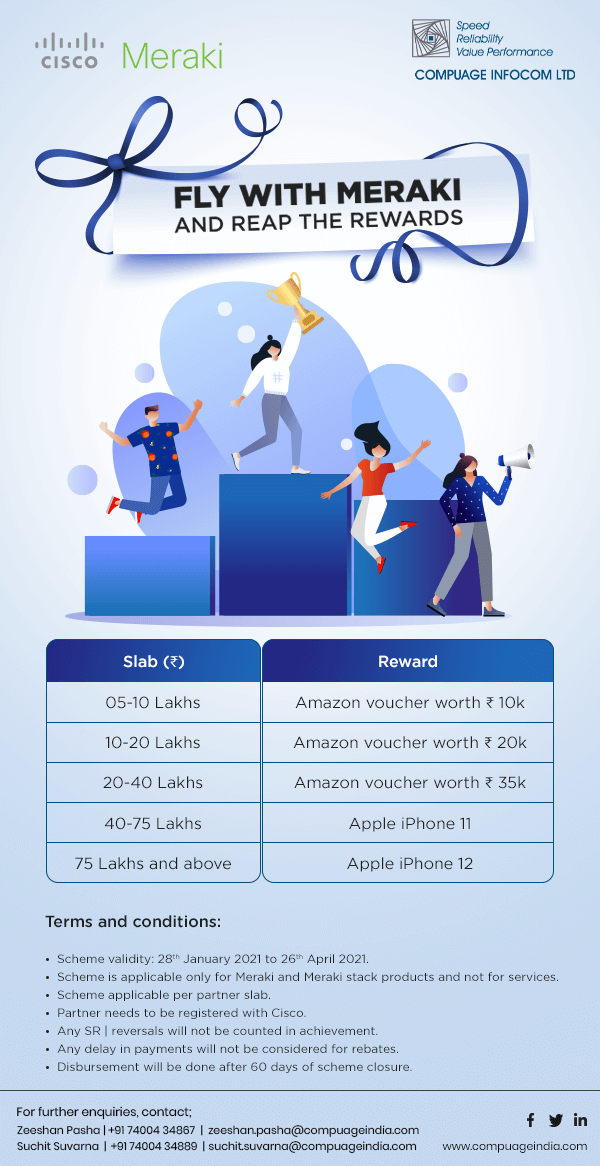 Compuage Infocom – Emailer
 Compuage Infocom – Emailer
 Compuage Infocom – Emailer
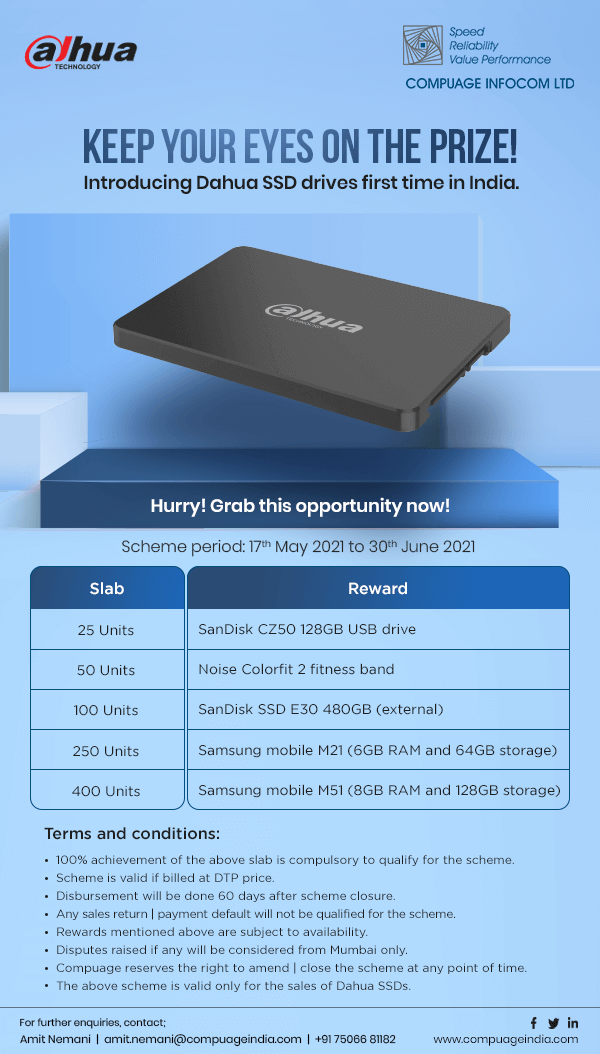 Compuage Infocom – Emailer
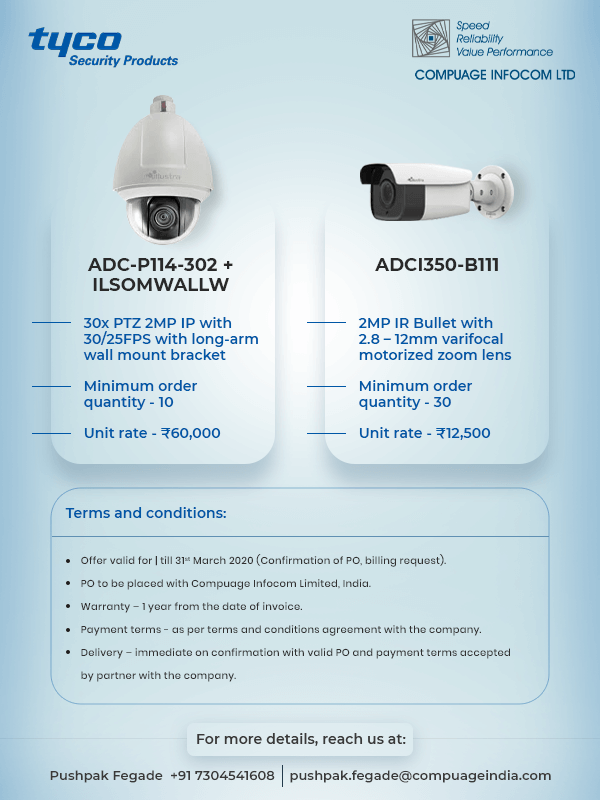 Compuage Infocom – Emailer
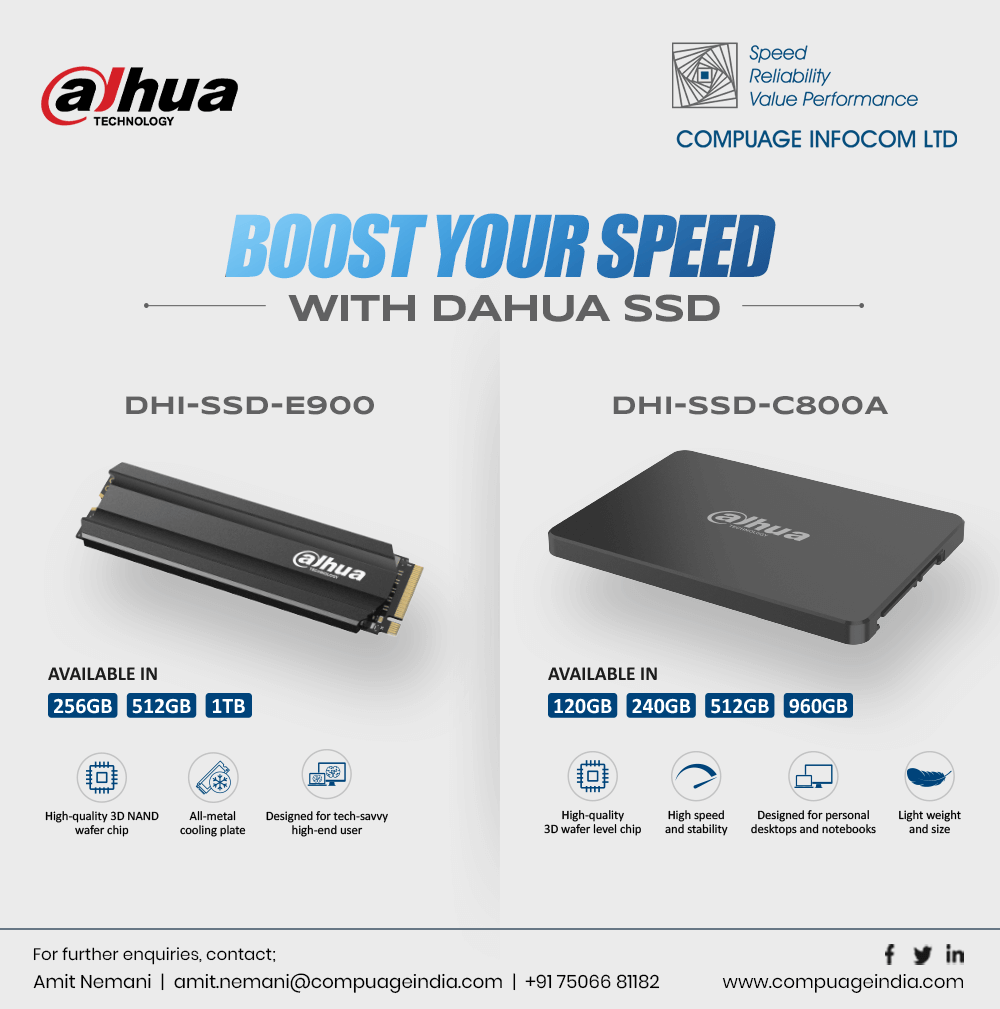 Compuage Infocom – Emailer
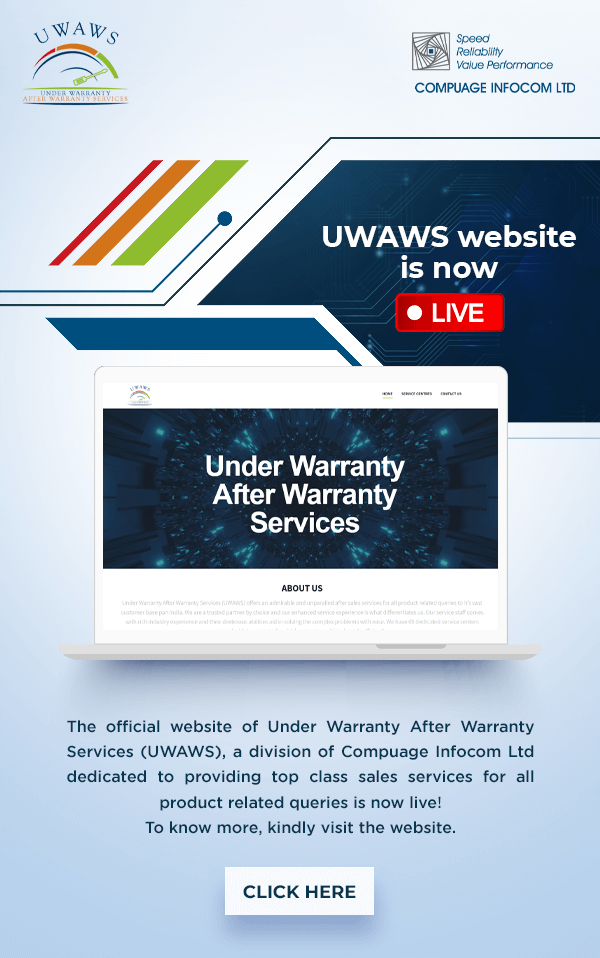 Compuage Infocom – Emailer
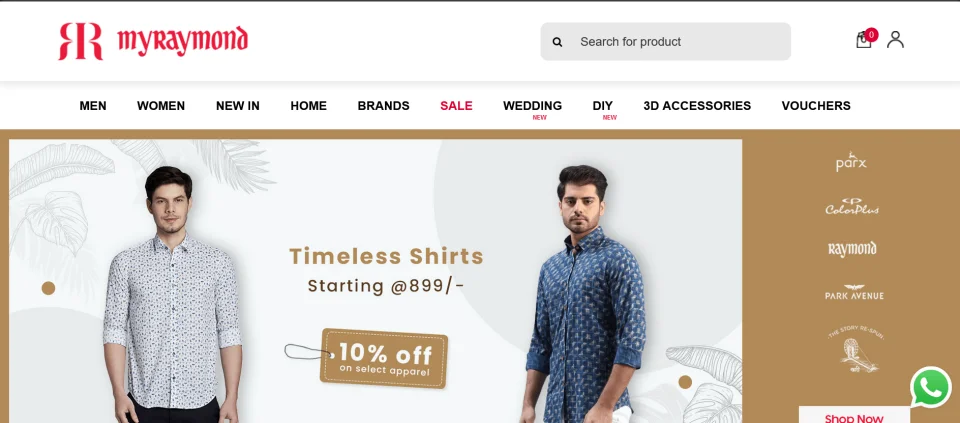
 My Raymond – Emailer