Delhi NCR · Institutional & B2B portals
Best PHP development company in New Delhi
PHP portals and applications for institutions, healthcare, education and large B2B buyers in Delhi NCR: accessible, with approval workflows, audit logs and a documentation pack that your procurement and IT teams can review.
Read more
Our head office is in Navi Mumbai and we have a team in New Delhi, so a project for a Delhi, Gurugram, Noida, Faridabad or Ghaziabad organisation is planned, built and supported by one connected team.
- 7+Years in digital marketing
- 120+Brands served
- 55+Team members
- 250+Projects delivered
- 100+Certifications held
Why The Adroit
Requirements written down first
Requirements are written down before the first screen is designed, roles are modelled before pages, and every state change is logged.
Accessibility as a build target
We build to WCAG 2.2 level AA as the working target and check against it during build.
Approval workflows held as data
A stage can be added, a reviewer changed or a threshold adjusted without rewriting the system.
Data in India, by design
Keeping data in India is a hosting decision: the application, database and backups are deployed to an India region or to servers you control.
A documentation pack for procurement and IT
Requirements ledger, role matrix, workflow diagrams, hosting and recovery plan, test summary and user guides, written as the project progresses, not collected at the end.
Quoted after discovery
We quote after discovery, once the factors that move cost are known, and we do not publish figures that would be guesses.
What we build
Application and approval portals
Admissions, registrations, licences, grievance handling and request-to-approval systems with role-based stages.
See the requirements ledgerRecords and case management
Patient, student, member or case records with search, access control and full history.
Vendor, dealer and member portals
Self-service areas for partners, with orders, documents, statements and notifications.
Payment and fee collection
Online fees and contributions with gateway integration, receipts and reconciliation reports.
Content-managed public sites
Accessible websites on WordPress or a custom PHP CMS, linked to your portal.
WordPress development servicesLegacy PHP modernisation
Upgrading old PHP 5 and 7 systems to a supported 8.x release in stages, without a risky big-bang rewrite.
PHP development services
How a Delhi NCR project is delivered
Six stages in four groups, each ending in something you can read or test.
Discovery and workflow design
Interviews with the people who use and approve the system, and review of any tender or policy documents. Role matrix, approval stages, data model and integration list are agreed before screens are drawn.
Accessible design and build
Wireframes and a component set with accessibility built in. A Laravel or Symfony back end with automated tests, shown to your team at the end of each increment.
Testing and review
Accessibility and security checks, user acceptance testing with your reviewers, and a load check on the key flows.
Launch and handover
Deployment, training material, the documentation pack and a maintenance plan. A monthly progress report is shared while the project is running.
A team in New Delhi, the head office in Navi Mumbai
Our head office is in Navi Mumbai and we have a team in New Delhi, so a project for a Delhi, Gurugram, Noida, Faridabad or Ghaziabad organisation is planned, built and supported by one connected team.
Most PHP work we are asked about in Delhi NCR is not a brochure site. It is a system that several people use under rules: an application form that passes through reviewers, a records portal for a hospital or institute, a vendor or member portal for a large organisation, or a service desk that has to be understood by people who did not build it.
Awards and Recognition





In short
A PHP development company in New Delhi builds portals, web applications and integrations on current PHP 8 frameworks such as Laravel and Symfony. The Adroit has a team in New Delhi and its head office in Navi Mumbai. We build accessible portals with role-based approvals, audit logs and handover documentation for buyers across Delhi NCR. Cost is quoted after discovery.
Who we build for
What does a PHP team in New Delhi build for NCR buyers?
Most PHP work we are asked about in Delhi NCR is not a brochure site. It is a system that several people use under rules: an application form that passes through reviewers, a records portal for a hospital or institute, a vendor or member portal for a large organisation, or a service desk that has to be understood by people who did not build it.
That shapes the build. The requirements are written down before the first screen is designed, roles are modelled before pages, every state change is logged, and the finished system comes with documents that a procurement committee, an internal IT team or an auditor can read without calling us.
PHP suits this work because it is mature, runs on ordinary Linux hosting, and has frameworks built for structured business logic. For the framework comparison and the decision criteria behind it, see our PHP development services overview. This page covers what is specific to buyers in the National Capital Region.
The same team handles the surrounding work when it is needed, such as a public website in New Delhi, a WordPress build for the content side, or a companion mobile app for field staff.
Five NCR markets we serve
- DelhiNew Delhi teamInstitutions, associations, hospitals, universities and organisations with national reach.
- GurugramCorporateLarge B2B and services companies that need internal portals, partner systems and integrations.
- NoidaCampuses & techEducation campuses, media and technology companies with admissions, content or operations workflows.
- FaridabadIndustrialManufacturers and suppliers who need dealer, order and document workflows.
- GhaziabadMixedBusinesses and institutions moving paper and spreadsheet processes into one managed system.
Integrations
Which services can a Delhi portal integrate with?
Integration work is mostly about agreements and data, and only partly about code. We treat the services below as integration targets: availability, eligibility and fees are set by each provider, so we confirm them with you before committing to a plan.
| Integration target | Typical use in a portal | What to settle early |
|---|---|---|
| DigiLocker | Fetching or verifying citizen and student documents with the user's consent. | Whether you are an eligible requester, the document types needed, and the onboarding process the provider requires. |
| UPI and payment gateways | Fees, registrations, donations and bill payments with automated reconciliation. | Which gateway your finance team already uses, refund rules, and how receipts are numbered. |
| SMS and email gateways | One-time passwords, status updates and notices. | Sender registration and message templates, which are controlled by the provider and telecom rules. |
| e-Sign providers | Signing applications, letters and agreements electronically. | Which signature type your process legally needs, and who the licensed provider is. |
| ERP, CRM and HR systems | Pushing approved records into the finance or operations system of record. | Available APIs or file formats, field mapping, and who owns data corrections. |
| Maps and location services | Branch finders, service areas and field-visit records. | Usage limits and licensing terms of the map provider. |
We do not promise access to any government or third-party service. We build the integration once your organisation has the credentials and approvals that the provider requires.
Documentation & commercials
What documents does a procurement-ready PHP project include?
The documentation pack
- Requirements ledger with sign-off record
- Role and permission matrix
- Workflow diagrams and rules table
- Data model and data-flow overview
- Integration list with owners and credentials process
- Hosting, backup and recovery plan
- Security notes and dependency list
- Test summary and accessibility checklist
- User guides for each role
- Admin guide and maintenance runbook
These documents are written as the project progresses, not collected at the end, so reviewers and your IT team can comment while changes are still cheap.
Engagement models. A fixed-scope project fits a clearly specified portal where a tender or budget needs a defined deliverable. A time-and-material engagement fits work where requirements will be refined in stages, such as a multi-department rollout. A dedicated team fits an organisation that expects continuous change over a long period. Terms are agreed in the proposal.
What changes the cost. The number of roles and workflow stages, how many integrations are involved, the volume of data to migrate, the depth of accessibility testing, the content load and the support plan you choose. We quote after discovery, once these are known, and we do not publish figures that would be guesses.
If you already run a legacy PHP system, see how our PHP development services handle upgrades, and our web development services for the wider build.
Delivery
How is a Delhi NCR PHP project delivered?
Six stages, each ending in something you can read or test. A portal with two or three roles, a handful of forms and one or two integrations is commonly delivered in about three to five months; timelines are typical and scope-dependent, and larger multi-department systems are usually phased.
- 1DiscoveryInterviews with the people who use and approve the system, review of any tender or policy documents.Deliverable: requirements ledger
- 2Roles and workflow designRole matrix, approval stages, data model and integration list agreed before screens are drawn.Deliverable: role matrix, workflow diagrams
- 3Accessible designWireframes and a component set with accessibility built in.Deliverable: clickable prototype
- 4Build in incrementsLaravel or Symfony back end with automated tests, shown to your team at the end of each increment.Deliverable: working builds for review
- 5Testing and reviewAccessibility and security checks, user acceptance testing with your reviewers, and a load check on the key flows.Deliverable: test summary
- 6Launch and handoverDeployment, training material, the documentation pack and a maintenance plan. A monthly progress report is shared while the project is running.Deliverable: documentation pack, runbook
What we build
Which PHP solutions do NCR organisations ask for?
Application and approval portals
Admissions, registrations, licences, grievance handling and request-to-approval systems with role-based stages.
Records and case management
Patient, student, member or case records with search, access control and full history.
Vendor, dealer and member portals
Self-service areas for partners, with orders, documents, statements and notifications.
Payment and fee collection
Online fees and contributions with gateway integration, receipts and reconciliation reports.
Content-managed public sites
Accessible websites on WordPress or a custom PHP CMS, linked to your portal. See WordPress development.
Legacy PHP modernisation
Upgrading old PHP 5 and 7 systems to a supported 8.x release in stages, without a risky big-bang rewrite.
Want this for your business? Discuss your portal
Questions
FAQs
Yes. The Adroit has its head office in Navi Mumbai and a team in New Delhi, alongside teams in Mumbai, Bangalore. For Delhi NCR projects the work is planned and delivered by one connected team, and we serve organisations in Delhi, Gurugram, Noida, Faridabad and Ghaziabad. Meetings and reviews are normally held online, and the schedule is agreed in the proposal.
We build to WCAG 2.2 level AA as the working target, using semantic markup, keyboard operation, visible focus, labelled forms, readable contrast and accessible tables. We also follow the intent of GIGW-style guidance for public portals. If your tender requires a named guideline or a third-party accessibility audit, tell us at the start so scope and testing reflect it; an accredited audit is a separate engagement.
These are integration targets we build against once your organisation has the credentials and approvals each provider requires. Eligibility, fees and onboarding steps are set by the providers, so we confirm them with you during discovery rather than assume them. Payment gateways, SMS gateways and e-sign providers are usually the quickest to connect; document-fetch services take longer because of approvals.
Yes. Hosting is a design decision: we can deploy the application, database and backups to an India region of a cloud provider or to servers you control, and choose third-party services with that in mind. For duties under the Digital Personal Data Protection Act, 2023, or sector rules, please check with your compliance counsel, and we will implement what they specify.
A documentation pack written during the project: the requirements ledger, role and permission matrix, workflow diagrams, data model, integration list, hosting and backup plan, security notes, test summary, accessibility checklist, user guides and an admin runbook. Because these are drafted as we go, your reviewers and IT team can comment before build decisions become expensive to change.
Roles, scopes and approval stages are modelled first, then enforced on the server for every action. A record moves through stages such as submit, review, approve and issue, can be returned with a reason, and every step is logged. Limits, stage order and notification templates can sit in an admin area, while permission checks stay in tested code. Delegation can be time-bound.
Timelines depend on scope, but as a typical range a portal with two or three roles, a handful of forms and one or two integrations is commonly three to five months from discovery to launch. Multi-department systems are usually phased, with a first release covering the highest-value workflow. Approvals on your side, content readiness and third-party onboarding often affect the schedule as much as development does.
We quote after discovery, because the price depends on what the system must do. The main drivers are the number of roles and workflow stages, integrations, data migration, accessibility testing depth, content volume, hosting setup and the support plan. We do not publish figures, which would be guesses. After discovery you receive a written proposal stating scope, engagement model and what is included.
More questions (1)
We can provide a maintenance plan agreed in the proposal, covering security patches, dependency updates, fixes and PHP version upgrades, and your own IT team can take over using the runbook and tests we hand over. PHP 8.2 security support ends on 31 December 2026 and PHP 8.1 and older are already end-of-life, so we plan upgrades as scheduled work (php.net, checked Oct 2026).
Read the full guide
4 sections with the detail behind this page
Read the full guide
4 sections with the detail behind this pageThe detail behind this page, section by section. Open any heading to read it; everything stays on this page.
How do typical institutional requirements turn into a PHP build?
How do typical institutional requirements turn into a PHP build?
Requirements ledger
Buyers in this segment usually arrive with a list of requirements rather than a feature wish list. The ledger below is how we translate the common ones into engineering decisions and into something you can check.
| Buyer requirement | How we build it | What you receive |
|---|---|---|
| Accessible for all users | Semantic HTML, keyboard-first navigation, visible focus, labelled forms, sufficient contrast, accessible tables and PDFs; checked against WCAG 2.2 AA during build. | Accessibility checklist and a list of known gaps, if any, at handover. |
| Role hierarchy | A role and permission matrix designed first, enforced on the server for every action, not just hidden in the interface. | Role matrix document signed off before build. |
| Approval workflows | Configurable stages, return-for-correction, escalation rules and notifications, with the rules held in one place. | Workflow diagrams and a rules table. |
| Audit trail | Append-only records of who changed what and when, including logins and permission changes, exportable for reviewers. | Audit log specification and sample export. |
| Data in India | Application and database deployed to an India region or to your own servers, with backups held in the same region by agreement. | Hosting and backup plan agreed in the proposal. |
| Security review | Parameterised queries, output escaping, CSRF protection, rate limits, dependency audits with Composer, and a patch plan. | Security notes for your IT team to review. |
| Long-lived maintenance | Automated tests, version-pinned dependencies and a documented upgrade path so the system survives staff changes on both sides. | Runbook and a maintenance plan option. |
The ledger is a starting template. Your own brief, tender document or policy will add items, and each row is confirmed in the proposal rather than assumed.
How does an approval workflow work in a PHP portal?
How does an approval workflow work in a PHP portal?
Approvals & roles
An approval workflow is a set of stages a record must pass through, each owned by a role. In a PHP application it is held as data and rules, so a stage can be added, a reviewer changed or a threshold adjusted without rewriting the system.
- Stage 1 · ApplicantSubmitForm and documents are validated, saved as a draft and then submitted with a timestamp.
- Stage 2 · ReviewerReviewChecks completeness, adds remarks, or returns the record with a reason.
- Stage 3 · ApproverApproveApproves or rejects within their authority; higher values route to a higher role.
- Stage 4 · SystemIssueGenerates the letter, certificate or order, and notifies by email or SMS.
- Stage 5 · AuditorLogEvery step above is recorded and can be exported for audit.
A returned record goes back to the previous stage with the reviewer's remark, and the history stays visible.
Role hierarchies without surprises
Organisations in this segment rarely have flat teams. Departments, branches and reporting lines matter, so we model roles and scopes together: a branch reviewer sees only their branch, a department head sees all branches under them, and an administrator can manage users but not approve their own requests.
Segregation of duty is built in. The person who submits cannot approve, delegation has a start and end date, and a role change is itself an audited event.
What stays configurable
Approval limits, stage order, notification templates, reasons for return and document types sit in an admin area so that your administrators can change routine rules themselves.
What does not sit there is security: permission checks live in code, reviewed and tested, so a mistaken setting cannot open data to the wrong role.
Notifications go out by email or SMS from templates, so an applicant always knows which stage a record has reached and what is expected of them.
Can a PHP portal be accessible?
Can a PHP portal be accessible?
Accessibility
Yes. Accessibility is a design decision made at the start, not a patch added before launch. Retrofitting it is slower and rarely complete.
Accessibility. We build to WCAG 2.2 level AA as the working target and follow the spirit of GIGW-style guidance for public-facing portals: clear structure, keyboard operation, text alternatives, readable contrast and forms that explain their own errors. If your tender names a specific guideline or a third-party audit, tell us early so the scope and testing plan reflect it. A formal audit by an accredited body is a separate engagement.
Accessibility and language checklist
- Every form field has a visible label and a clear error message
- Full keyboard operation with a visible focus indicator
- Colour contrast checked for text, buttons and charts
- Data tables with proper headers, not layout tables
- Uploaded and generated PDFs tagged where practical
- Dates, numbers and currency shown in Indian formats
- Tested with a screen reader before release
How do data residency, audit logs and long-term maintenance fit together?
How do data residency, audit logs and long-term maintenance fit together?
Data, audit & upkeep
Data residency. Keeping data in India is a hosting decision, and it is simple to design for: the application, database and backups are deployed to an India region or to servers you control, and third-party services are chosen with that in mind. For obligations under the Digital Personal Data Protection Act, 2023, or sector rules, please check with your compliance counsel; we implement what they specify, such as consent records and retention periods.
Audit logs. Logs record identity, action, record, old and new value and time, are not editable from the application, and are exportable. They are designed for a reviewer, not for a developer.
Maintenance. Portals in this segment often run for many years, longer than the staff who commissioned them. That makes the PHP version a procurement question as well as a technical one. Each PHP release gets a fixed support window, and running past it means running without security fixes.
Roughly 36% of sites with a known server-side language still ran PHP 7 or 5 in October 2026 (W3Techs, checked Oct 2026). We plan upgrades as scheduled work, with tests that make the next move predictable.
| PHP version | Status (October 2026) | Security fixes until | What it means for a long-lived portal |
|---|---|---|---|
| PHP 8.5 | Active support; released 20 November 2025 | 31 December 2029 | The longest runway for a new build started now. |
| PHP 8.4 | Active support to 31 December 2026 | 31 December 2028 | A sound choice, with active fixes ending shortly. |
| PHP 8.3 | Security fixes only | 31 December 2027 | Acceptable for existing systems; plan the next move. |
| PHP 8.2 | Security fixes only | 31 December 2026 | Upgrade soon; support ends this year. |
| PHP 8.1 and older | End of life | Already ended | No security fixes. Upgrade before anything else. |
Source: php.net supported versions, checked Oct 2026. Framework support follows PHP: Laravel 13 (released 17 March 2026) requires PHP 8.3 to 8.5 and receives security fixes to 17 March 2028; Symfony 7.4 LTS requires PHP 8.2 or later with security fixes to November 2029 (laravel.com and symfony.com release pages, checked Oct 2026).
Discuss your portal
Cost is quoted after discovery, once the requirements are known.
What's More
How Are We Different?
Dedicated Account Manager
SEO Enabled Websites
Responsive Websites
Site Security Upgrades & Maintenance
Website Speed & Performance Optimization
Timely Delivery
Easy to use CMS
Google PSI Score Above 80
Maximum 12 Hours TAT
Secured & Optimised Website Delivery
15 Days Cooling Period
Your Success, Our Reputation
120+ brands have trusted us with their marketing and websites over 7+ years.
Here are some of the clients we have worked with.


































































Latest and Greatest Posts


The Adroit Reviews
Rated 5.0 from 19 client reviews on Clutch. Read our Clutch profile
Contact Us for More
We’ve worked with clients of all sizes, all across the World. Starting from enterprises to startups. Let’s talk about your project and how we can help provide value to it on Digital.
Work That Works
A selection of recent campaigns, websites, reels and emailers delivered for our clients.
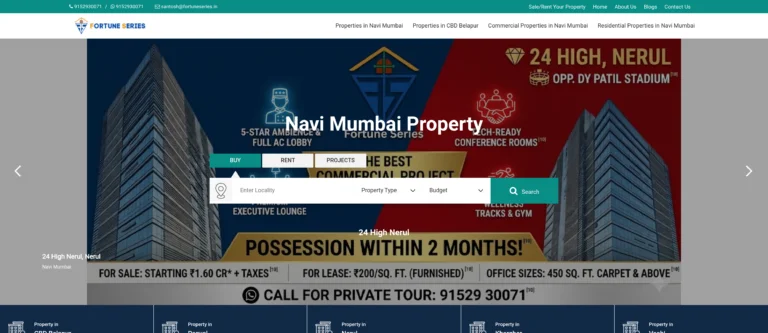 Fortune Series – Website
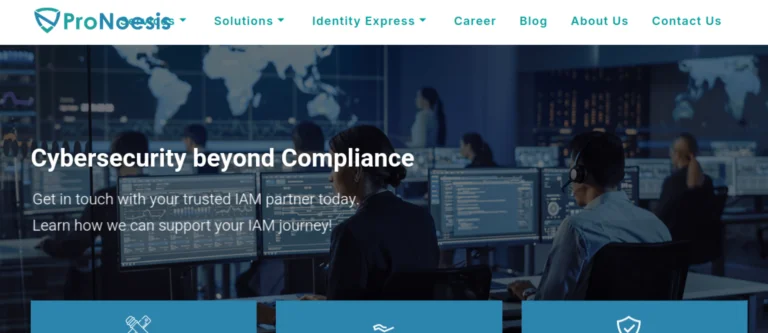 Pronoesis – Website
 Texas Spine and Pain – Website
 Mindvein – Website
 Mario Products – Website
 Spectrum Filtration – Website
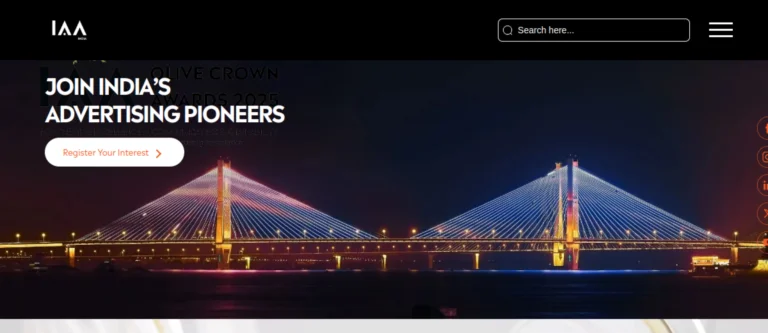 IAA India Chapter – Website
 The Premium Basket – Website
 Lamar World – Website
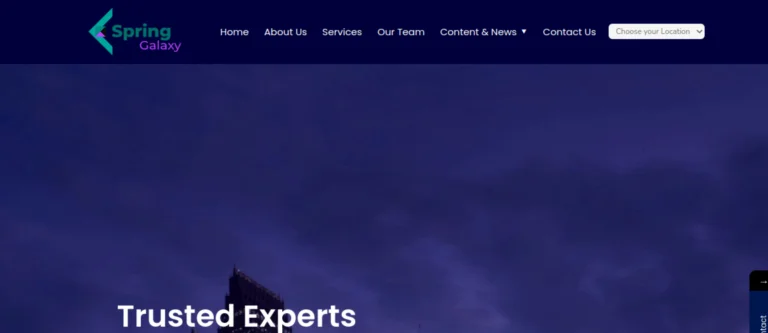 Spring Galaxy – Website
 Excel Wallpapers – Website
 Siddha Group – Website
Related work from our portfolio: