








Top 10 Real Estate CRM Software to Boost Your Real Estate Business
2026-01-08
In the competitive world of real estate, managing leads, tracking listings, and nurturing client relationships can make or break a business. That’s why Real Estate CRM (Customer Relationship Management) software is indispensable for modern agents, brokers, and firms. These tools help streamline operations, automate repetitive tasks, improve communication, and ultimately boost sales and revenue.
Below is a ranked list of the top 10 Real Estate CRM platforms you should consider using in 2026 — whether you’re a solo agent or running a busy brokerage.
Comparison Table: Top Real Estate CRM Software
|
Rank |
CRM Software |
Best For |
Rating |
|
1 |
Property CRM |
All-in-one real estate solution |
⭐ 4.8/5 |
|
2 |
Follow Up Boss |
Lead follow-ups & automation |
⭐ 4.5/5 |
|
3 |
HubSpot CRM |
Free & scalable CRM |
⭐ 4.4/5 |
|
4 |
Zoho CRM |
Customizable CRM for all sizes |
|
|
5 |
Salesforce |
Enterprise-grade CRM |
⭐ 4.2/5 |
|
6 |
Wise Agent |
Easy-to-use agent CRM |
⭐ 4.1/5 |
|
7 |
LionDesk |
Affordable agent-centric CRM |
⭐ 4.0/5 |
|
8 |
CINC |
High-volume lead management |
⭐ 3.9/5 |
|
9 |
Salesmate CRM |
All-round SMB CRM |
⭐ 3.8/5 |
|
10 |
TopProducer |
Realtor-focused CRM |
⭐ 3.7/5 |
1. Property CRM — Best All-in-One Real Estate CRM

Rating: 4.8/5
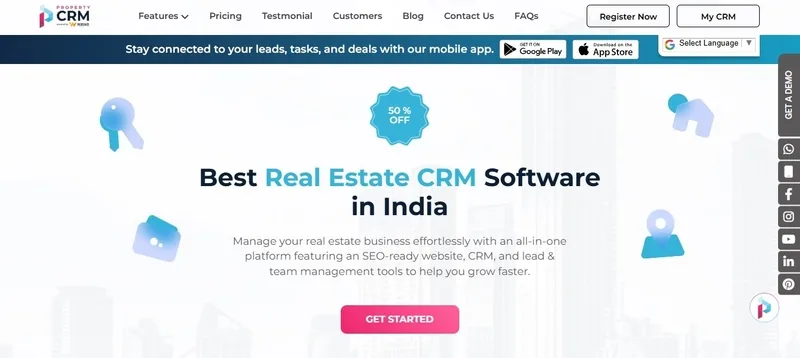
Property CRM is a dedicated real estate CRM solution built to handle every part of your property business — from lead capture to deal closure. It’s consistently ranked among the top CRM tools for real estate because of its deep industry focus and rich feature set.
Key Features
-
Lead Management & Automation — Track and nurture leads automatically.
-
SEO-optimized Property Website — Boost visibility & lead generation.
-
Centralized Property Listings — Store all listings in one place.
-
Analytics & Dashboards — Real-time insights into performance.
-
Role-based Access Control — Secure data with permissions.
-
Custom Real Estate Solutions — Tailored workflows and modules.
Pros
-
Built specifically for real estate needs.
-
SEO-ready websites help generate more leads.
-
Advanced analytics for smarter decisions.
-
Security - database on your server
Cons
-
Custom modules may require onboarding support.
-
Limited API documentation
-
IVR Calling Functionality
Best for: Real estate agencies, channel partners, and brokers looking for a full-featured, industry-specific CRM.
2. Follow Up Boss — Best for Lead Follow-Up & Automation

Rating: 4.8/5
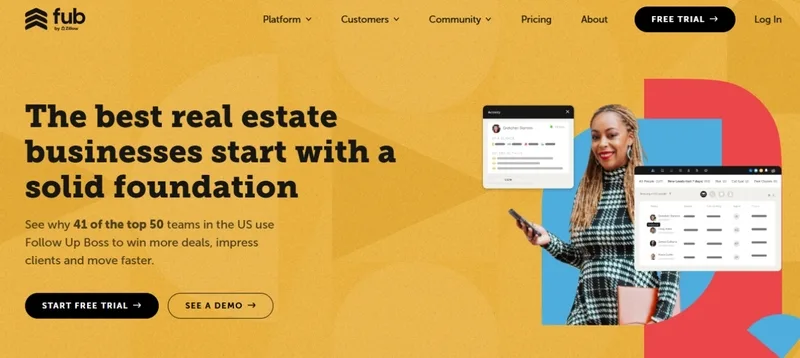
Follow Up Boss is a CRM focused on helping agents respond faster and nurture more leads. It integrates lead sources into one system so you never miss an opportunity.
Key Features
-
All-in-one lead inbox that collects from multiple sources
-
Automated lead assignment & routing
-
SMS, email, and call logging automation
-
Task and follow-up reminders
-
Pipeline tracking by deal stage
Pros
-
Easy to use and quick setup
-
Great for improving response times
Cons
-
Pricing ramps up for larger teams
-
Fewer advanced custom features than enterprise CRMs
Best for: Agents and small teams who rely on fast lead follow-ups.
3. HubSpot CRM — Best Free & Scalable CRM

Rating: 4.8/5
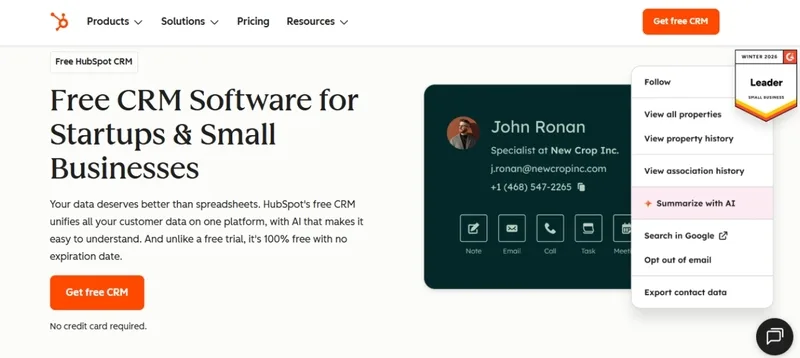
HubSpot CRM is one of the most user-friendly and scalable CRMs available. It’s ideal for real estate offices that want to grow without high upfront costs.
Key Features
-
Free plan that scales
-
Email tracking & scheduling
-
Contact & deal management
-
Lead capture forms & live chat
-
Integration with HubSpot Marketing Tools
Pros
-
Powerful free version
-
Integrates with marketing tools
Cons
-
Some advanced features require paid plans
-
May be overkill for tiny solo agents
Best for: Teams needing a scalable CRM with marketing integration.
4. Zoho CRM — Best Customizable All-round Tool

Rating: 4.8/5
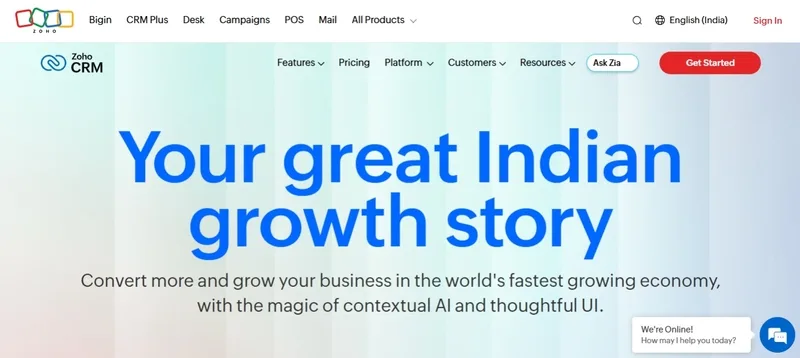
Zoho CRM is a flexible, cloud-based platform that can be tailored for real estate workflows. Its integration ecosystem is vast and makes it suitable for businesses of all sizes.
Key Features
-
Custom dashboards & workflows
-
Multi-channel communication
-
Powerful integrations
-
Mobile app for on-the-go access
-
Built-in analytics and reporting to track performance
Pros
-
Affordable pricing
-
Huge ecosystem of add-ons
Cons
-
Can be complex for beginners
Best for: Brokers and mid-sized real estate businesses.
5. Salesforce — Best Enterprise-Grade CRM

Rating: 4.2/5
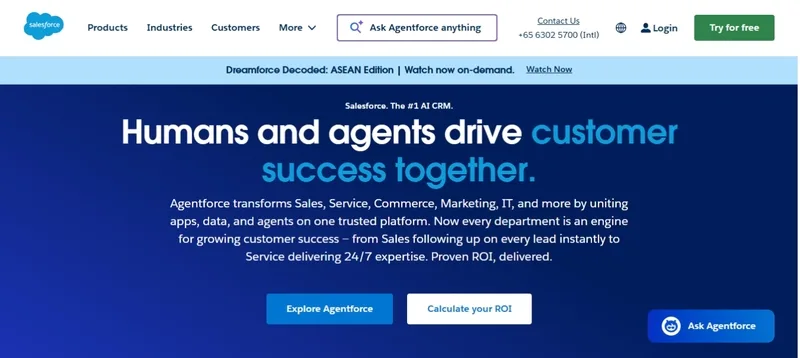
Salesforce is a powerhouse in the CRM world and — while not real estate-specific — it can be customized extensively to fit property businesses.
Key Features
-
AI-powered insights
-
Advanced reporting
-
Strong integration ecosystem
-
Comprehensive compliance and transaction tools
-
Automated marketing and drip campaigns
Pros
-
Highly customizable
-
Enterprise-level tools
Cons
-
Higher cost
-
Steeper learning curve
Best for: Large brokerages and enterprises.
6. Wise Agent — Best Easy-to-Use Realtor CRM

Rating: 4.1/5
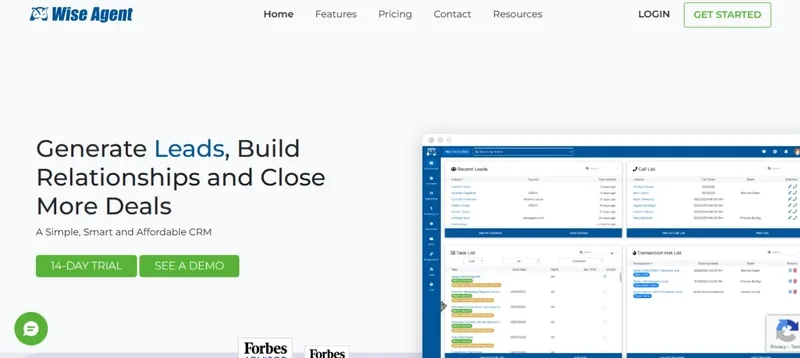
Wise Agent focuses on simplicity and speed. It has strong automation features that let agents manage leads and communications effortlessly.
Key Features
-
Lead nurturing automation
-
Task and calendar tools
-
Landing page builder
-
Drip campaigns and SMS marketing
-
Document storage and commission tracking
Pros
-
Very intuitive interface
-
Great support & onboarding
Cons
-
Some features are limited compared to others
Best for: Small teams that want easy setup.
7. LionDesk — Budget-Friendly CRM

Rating: 4.0/5
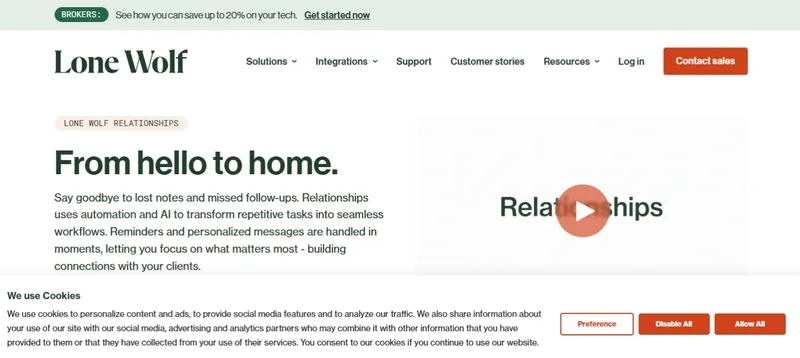
LionDesk (now known as Lone Wolf) is a CRM with features that especially appeal to budget-conscious agents, focusing on communication and lead tracking without overwhelming complexity.
Key Features
-
Video email & texting tools
-
Lead scoring
-
Pipeline dashboards
-
Lead scoring & tracking
-
Task & calendar reminders
Pros
-
Affordable plans
-
Easy onboarding
Cons
-
Not as powerful for large teams
Best for: Solo agents and small offices on a budget.
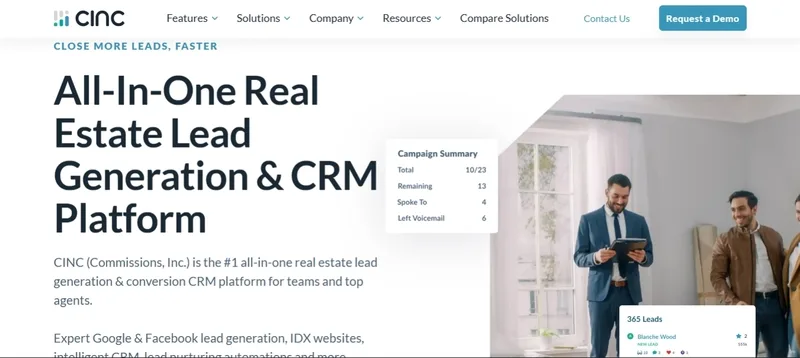
8. CINC — Best for High-Volume Lead Management

Rating: 3.9/5
Designed for teams that handle a large volume of leads, CINC offers advanced routing, AI prioritization, and productivity dashboards.
Key Features
-
AI lead scoring
-
Team dashboards
-
Built-in call and text tools
-
Repeat visitor tracking
-
Market insights & reporting
Pros
-
Excellent for busy brokerages
-
Strong team collaboration tools
Cons
-
Higher price for full features
Best for: Medium to large teams with heavy lead flow.
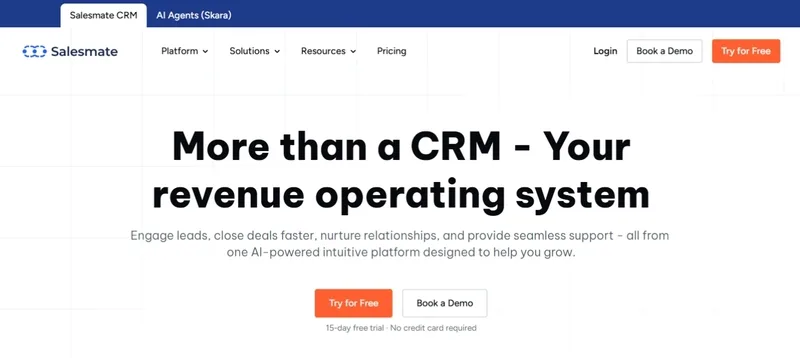
9. Salesmate CRM — Best SMB CRM

Rating: 3.8/5
Salesmate combines CRM fundamentals with real estate-friendly tools like pipeline automation and smart workflows.
Key Features
-
Smart workflows
-
Communication integration
-
AI insights
-
Activity reminders
-
Reports & dashboards
Pros
-
Affordable and flexible
-
Integrates well with communication tools
Cons
-
Not industry specific
Best for: Small and medium businesses that want flexibility.
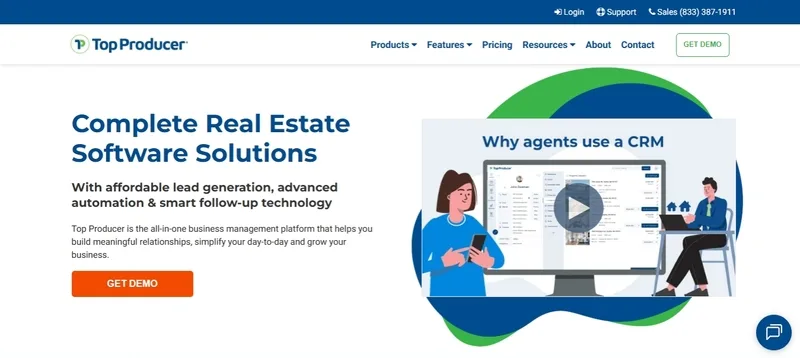
10. TopProducer — Realtor-Focused CRM

Rating: 3.7/5
TopProducer is among the CRM options that offer real estate-specific tools, including follow-up plans and contact tracking.
Key Features
-
Email campaigns
-
Contact organization
-
Lead follow-up tools
-
Property activity tracking
-
Client follow-up plans
Pros
-
Built for real estate workflows
-
Organized contact tools
Cons
-
Lacks some modern automation features
Best for: Realtors focused on contact management processes.
Final Thoughts
Choosing the right real estate CRM depends on the size of your business, budget, and specific needs:
-
Property CRM stands out for its industry-focused tools and SEO-ready websites.
-
Follow Up Boss and HubSpot CRM are unbeatable for lead response and scalability.
-
Zoho and Salesforce offer deep customization for growing teams.
No matter your choice, investing in a CRM will help you organize your business, track clients better, and close deals faster — essential for competing in today’s real estate market.
FAQs
What is a Real Estate CRM?
A Real Estate CRM is software designed to help real estate agents and businesses manage leads, properties, clients, and sales pipelines efficiently from a single platform.
Why is a Real Estate CRM important for real estate businesses?
A Real Estate CRM improves lead management, automates follow-ups, tracks property listings, and helps agents close deals faster while maintaining strong client relationships.
Who should use a Real Estate CRM?
A Real Estate CRM is ideal for real estate agents, brokers, channel partners, developers, and agencies—whether they operate solo or manage large teams.
How does a Real Estate CRM help with lead management?
A Real Estate CRM captures leads from multiple sources, assigns them automatically, tracks interactions, and ensures timely follow-ups to prevent lead leakage.
Can a Real Estate CRM improve sales conversions?
Yes, a Real Estate CRM boosts sales conversions by automating follow-ups, prioritizing hot leads, and giving agents complete visibility into the sales pipeline.
What features should I look for in a Real Estate CRM?
A good Real Estate CRM should include lead automation, centralized property listings, analytics dashboards, communication tools, and role-based access control.
Is Property CRM a good choice for real estate businesses?
Yes, Property CRM is a powerful Real Estate CRM offering industry-specific features like SEO-optimized property websites, analytics, and custom workflows.
Are Real Estate CRM tools suitable for small agencies?
Yes, many Real Estate CRM platforms like Property CRM, Wise Agent, and LionDesk are designed to scale and work well for small teams and solo agents.
Can a Real Estate CRM generate reports and analytics?
Yes, a Real Estate CRM provides dashboards and reports on leads, conversions, revenue, agent productivity, and marketing performance.
Can a Real Estate CRM be customized?
Yes, many Real Estate CRM platforms like Property CRM, Zoho CRM, and Salesforce allow custom workflows, fields, and modules.